Many senior dogs do well with at least annual vet visits, and some benefit from checkups every six months, especially if they have ongoing health issues or age-related changes. Your veterinarian may recommend a different schedule based on your dog’s condition, medications, and exam findings. Routine visits help you notice small changes in comfort, weight, appetite, and mobility before they are harder to manage.
Direct answer: the usual vet schedule for senior dogs
For a healthy older dog, annual wellness visits are the minimum many owners should plan for. If your dog already has arthritis, dental disease, heart issues, kidney concerns, weight changes, or another ongoing condition, a six-month schedule is often more practical. That gives your vet a better chance to track slow changes in mobility, appetite, weight, and behavior.
This is not a rigid rule. A senior dog with stable health may stay on yearly exams, while a dog with new symptoms or chronic disease may need more frequent monitoring. The point is to move from “only when something seems wrong” to a regular routine.
That regular rhythm matters because older dogs may show changes gradually. The visit gives your veterinarian a chance to compare today’s weight, movement, mouth, heart, lungs, and daily routine with the last exam instead of judging one symptom in isolation.
What changes the schedule
Two senior dogs can have very different vet schedules. Age matters, but it is not the only factor.
Breed size and aging pace
Larger dogs often show age-related changes earlier than smaller dogs. A 7-year-old giant breed may already act like an older dog, while a small dog may stay spry longer. That does not mean one dog is “old” and the other is not. It means the schedule should follow the dog in front of you, not just the birthday on the calendar.
Current health status
A dog with a clean bill of health may only need routine wellness care. A dog with arthritis, diabetes, heart disease, thyroid issues, skin problems, or recurring stomach upset usually needs more frequent follow-up. If your dog takes daily medication, the vet may want to recheck response, side effects, and lab work on a set schedule.
Behavior and daily routine
Sometimes the first clue is not a dramatic symptom. It is a dog who hesitates on stairs, sleeps more deeply, stops greeting the door, or leaves part of dinner behind. A senior dog that used to trot to the kitchen and now lags behind may be telling you something long before a crisis shows up.
Home environment and lifestyle
Dogs that hike, swim, travel, attend daycare, or spend time around other animals may need more frequent preventive care. So may dogs with higher parasite exposure or dogs living with other pets who bring home germs or fleas. A quieter home life does not remove the need for checkups, but it can change what your vet focuses on.
What to watch at home between visits
Between routine exams, your job is to notice small changes. You do not need to diagnose them. You just need to notice them early enough to mention them.
- Appetite: eating less, eating slower, dropping food, or becoming picky when that was not normal before
- Weight: ribs becoming easier to feel, a thicker waist disappearing, or a belly that seems rounder than usual
- Energy: sleeping more than usual, tiring faster on walks, or seeming restless at night
- Mobility: stiffness after naps, trouble jumping into the car, slipping on floors, or needing help on stairs
- Bathroom habits: more accidents, straining, changes in stool, or drinking and urinating more than usual
- Breathing or coughing: panting at rest, coughing after lying down, or seeming winded on easy walks
- Behavior: irritability, hiding, clinginess, confusion, or not wanting to be touched in a certain spot
- Grooming and comfort: licking one area often, chewing paws, scratching more, or avoiding brushing because it hurts
These changes do not always mean something serious, but they are worth writing down. A simple note on your phone with the date, what changed, and how often it happened can help your vet see the pattern.
When to book sooner than the routine visit
Some changes should move your dog from “next scheduled checkup” to “call the clinic soon.” You do not need to wait and see for weeks if the change is clear.
- Not eating for more than a day, or eating much less than usual
- Repeated vomiting or diarrhea
- Sudden weakness, collapse, or trouble standing
- Labored breathing, open-mouth breathing at rest, or a new cough that keeps returning
- Obvious pain, such as yelping, limping, trembling, or refusing to move
- Straining to urinate, blood in urine, or not being able to pass urine
- Sudden confusion, disorientation, or pacing that seems new
- Rapid weight loss or a belly that looks swollen
- Any change that is getting worse instead of better
When to call your vet: if your senior dog has a new symptom that lasts more than a day, seems painful, or changes how they eat, walk, breathe, or eliminate, call the clinic rather than waiting for the next routine exam. If your dog seems unable to breathe, collapses, cannot urinate, or appears severely weak, seek urgent veterinary care.
Simple routine you can follow
If you want a schedule that is easy to remember, use this:
- Plan a wellness exam every 12 months if your senior dog is stable and your vet agrees.
- Move to every 6 months if your dog has chronic conditions, is on long-term medication, or has several age-related changes.
- Track small changes at home in appetite, weight, movement, bathroom habits, and behavior.
- Bring a short list of concerns to each visit so nothing gets forgotten in the exam room.
- Ask whether your dog needs lab work, dental care, or medication review based on age and current health.
- Revisit the schedule after each exam because the right interval can change as your dog ages.
A helpful way to think about it: if your senior dog is steady and comfortable, yearly care may be enough. If you are already noticing slower mornings, more stiffness, or more frequent little issues, twice-yearly visits are often a better fit.
A quick decision tree for owners
Use this simple check before you book:
- Is your dog healthy, active, and stable? Start with annual wellness care.
- Does your dog have a chronic condition or daily medication? Ask your vet whether six-month visits make more sense.
- Have you noticed changes in appetite, mobility, bathroom habits, or behavior? Book sooner.
- Did a symptom start suddenly or look painful? Call the vet promptly.
What a routine senior visit is for
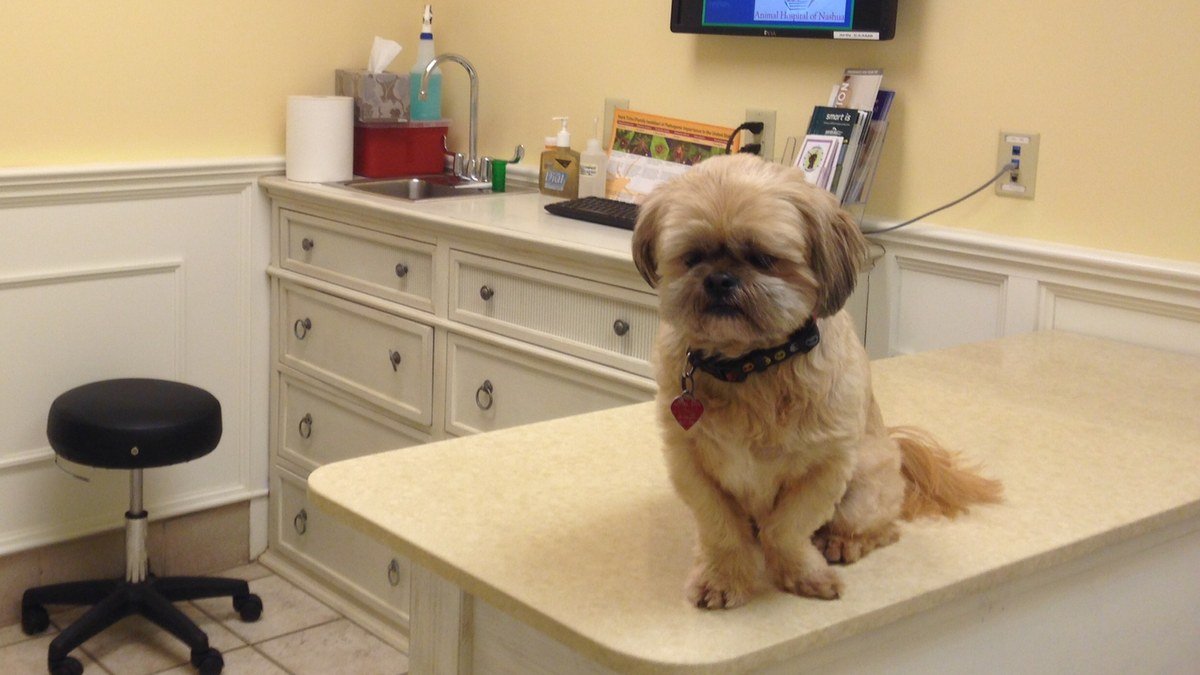
A routine visit is not just a quick weight check. It is a chance to compare your dog’s current baseline with the last exam. That may include listening to the heart and lungs, checking teeth and gums, feeling the body for changes, and talking through daily habits at home. For older dogs, those details matter because small shifts can point to bigger issues before they are obvious.
If your dog hates the clinic, tell the staff ahead of time. Bringing treats, keeping the visit calm, and asking for a slower pace can make future appointments easier. A dog that feels safer at the clinic is easier to examine, and that helps everyone get a better picture of health.
Final takeaway
For many senior dogs, the practical answer is at least once a year, with six-month checkups worth discussing when there are ongoing health concerns or age-related changes. Watch your dog’s appetite, movement, bathroom habits, and energy at home, and do not wait for a routine visit if something looks off. The best schedule is the one that fits your dog’s current health, not just their age.
Sources used: AKC senior dog vet timeline, VCA wellness exams in dogs

- Is It Safe to Keep Dogs at Home? A Practical Safety Guide - June 17, 2026
- Can Dogs Eat Homemade Chicken Noodle Soup? - June 13, 2026
- Why Is My Dog Getting Anxiety? Common Reasons and What to Do Next - June 11, 2026