Yes, sometimes—but only if the soup is plain and dog-safe. Homemade chicken noodle soup can be okay as a small taste when it contains simple chicken, noodles, and water or low-sodium broth with no onion, garlic, heavy salt, or rich fat. Many common soup ingredients are a problem for dogs, so the recipe matters more than the label. If your dog ate a bowlful, or the soup had risky ingredients, call your vet for guidance.
The safe answer
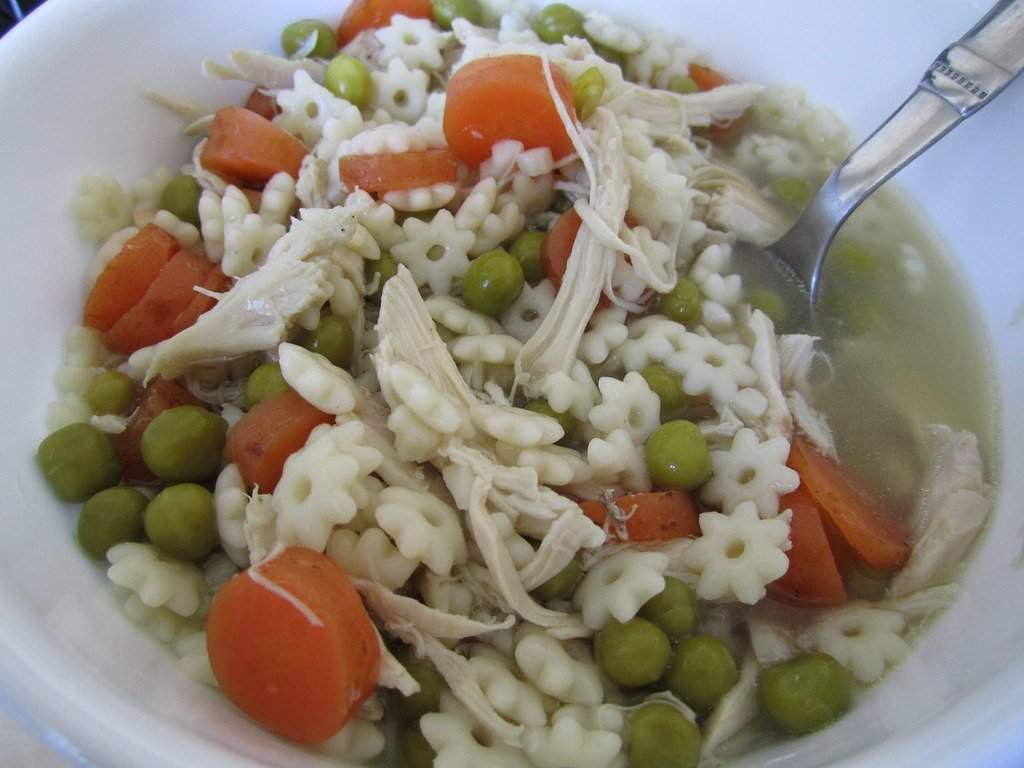
Plain homemade chicken noodle soup is not automatically dangerous for dogs, but most versions are not a good choice to share. A little unseasoned chicken and a few noodles are usually the least concerning parts. The broth and seasoning are where trouble starts. Onion, garlic, too much salt, butter, oil, and fatty drippings can turn an ordinary bowl of soup into a food that upsets a dog’s stomach or causes more serious harm.
Think of it this way: if you made soup for people and then set aside a plain spoonful before adding salt, onion, garlic, pepper, or rich stock, that plain portion is much safer. Once the soup is seasoned like a normal dinner, it stops being a simple treat.
What makes homemade chicken noodle soup safer or riskier
The safest version is plain and simple. The risk goes up as soon as the recipe starts looking like standard human comfort food.
Safer ingredients
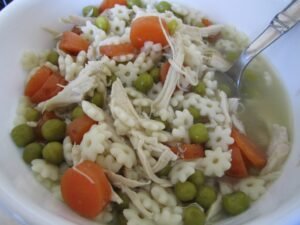
- Plain cooked chicken with no skin, bones, or seasoning
- Plain noodles in a small amount
- Water-based broth that is low in sodium and free of onion and garlic
- Soft vegetables only if they are dog-safe and cooked plainly
Risky ingredients
- Onion and garlic, including powders and broths that contain them
- High salt or very salty broth
- Fatty broth, skin, butter, oil, or drippings
- Seasoning blends that may include onion powder, garlic powder, or lots of salt
- Bones, which can splinter or cause choking and digestive trouble
- Large amounts of noodles, which add a lot of starch without much benefit
Many home cooks forget that broth is often the biggest problem. A soup can look mild and smell harmless while still carrying onion, garlic, and salt from the pot. That is why reading your own recipe matters more than guessing from the finished bowl.
When a small taste may be okay
A small taste may be fine when all of these are true:
- The soup was made without onion or garlic.
- The broth is low in sodium.
- There is no heavy fat layer on top.
- The chicken is plain and fully cooked.
- The noodles are plain and served in a small amount.
- Your dog has no history of food sensitivity, pancreatitis, or a sensitive stomach.
In normal house-dog life, that might look like a spoonful of plain chicken and a few noodles from a batch you set aside before seasoning the family pot. It is not the same as handing over a full bowl from your own dinner. Even safe human foods should stay occasional and modest, not become a meal replacement.
For small dogs, “a little” really means a little. A few bites can be enough. For larger dogs, a small scoop may still be reasonable if the soup is plain. The goal is a taste, not a second supper.
How much is too much?
There is no single universal amount that fits every dog. Size, age, digestion, and the exact recipe all matter. A tablespoon or two of plain soup may be fine for one dog and too much for another, especially if the dog is small or tends to get loose stools from rich food.
As a practical rule, stop at a taste if you are unsure. If your dog ate a full bowl, licked up a lot of broth, or got into a pot left on the stove, treat that as more than a casual snack. The bigger concern is not just volume. A small amount of onion-heavy broth can be more worrisome than a larger amount of plain chicken and noodles.
Also watch the rest of the day’s food. A dog who gets soup plus treats plus table scraps may end up with more fat, salt, and extra calories than the stomach wanted. That can lead to vomiting, soft stool, or a very restless night.
What to watch for after your dog eats it
Most dogs with a mild food upset show signs within the first several hours, though some problems can take longer. Watch for changes that are easy to see at home:
- Vomiting
- Diarrhea or very soft stool
- Drooling more than usual
- Refusing food
- Restlessness or pacing
- Abdominal discomfort, such as a hunched posture or not wanting to be touched around the belly
- Lethargy or unusual quietness
- Panting when the room is not hot
If the soup contained onion or garlic, do not wait for symptoms before getting advice. Those ingredients are a known concern for dogs, and the amount eaten matters. If your dog ate a lot of salty broth, keep an eye out for repeated vomiting, weakness, or unusual thirst.
One useful home check is simple: look at your dog’s behavior, appetite, and bathroom habits over the next day. A dog who is still interested in walks, food, and normal routines is usually less concerning than one who seems off, hides, or cannot settle.
Safer alternatives
If you want to share food without making a guess about the soup recipe, use a simpler option.
- Plain cooked chicken in small pieces
- Plain white rice or plain noodles in a small amount
- Chicken and rice mixed with water if your dog needs a bland meal and your vet agrees
- Dog food warmed slightly with a splash of water for smell and moisture
If you are cooking at home, set aside a portion for the dog before adding onions, garlic, salt, pepper, bouillon, or rich stock. That gives you more control and avoids the common mistake of trying to “make it dog-safe” after the pot is already seasoned.
For a dog who likes to sit near the kitchen while you eat, a small dish of plain chicken can be a cleaner choice than a spoonful of soup from your own bowl. It still feels like a share, but without the hidden seasoning.
When to call your vet
Call your vet promptly if your dog ate soup with onion, garlic, a lot of salt, bones, or a large amount of fat. Also call if your dog is vomiting, has diarrhea that keeps going, seems painful, looks weak, or will not eat after the incident. If your dog is very small, very young, older, or has a medical condition, it is worth asking sooner rather than later.
Seek urgent help if your dog has repeated vomiting, trouble breathing, collapse, a swollen belly, severe pain, or seems unable to stand normally. If you are unsure what was in the soup, save the recipe or ingredient list and estimate how much was eaten before you call. That information helps the clinic judge the risk.
If the soup may have included toxic ingredients and your dog is acting unwell, contact your veterinarian or a pet poison resource right away. Fast action matters more than waiting to see whether the dog “gets over it.”
The bottom line
Can dogs eat homemade chicken noodle soup? Yes, but only in the plainest form and only in a small amount. The safe part is simple chicken and noodles. The risky part is the way most soup is actually cooked: onion, garlic, salt, rich broth, and fat. When in doubt, skip the soup and offer plain chicken instead. That is the cleaner, safer share.

- Is It Safe to Keep Dogs at Home? A Practical Safety Guide - June 17, 2026
- Can Dogs Eat Homemade Chicken Noodle Soup? - June 13, 2026
- Why Is My Dog Getting Anxiety? Common Reasons and What to Do Next - June 11, 2026