Short answer
A puppy potty training schedule every 2 hours works well as a starting point for many young puppies, especially if they are new to your home, easily distracted, or still having accidents between outings. Take the puppy out on a leash, go to the same potty spot, wait quietly, and reward success right away. For very young puppies, toy breeds, or a puppy that is still missing the cue, you may need to go out more often than every 2 hours.
If accidents are sudden, frequent despite a consistent routine, or paired with pain, distress, vomiting, diarrhea, straining, or other illness signs, separate the puppy from the area, clean up safely, and contact a veterinarian promptly. Training problems and health problems can look similar at first.
What to do today
- Start with a potty break first thing in the morning.
- Set a timer for 2 hours during wake time.
- Take the puppy out after meals, water, naps, and play.
- Keep the puppy close enough to supervise.
- Use the same outdoor spot or pad area every time.
- Reward within a few seconds of finishing.
What it usually means
A 2-hour plan is not a magic number. It is a practical middle ground for many families who need structure without trying to guess when the next accident will happen. Puppies do not come home knowing where the bathroom is. They need repetition, clear access, and a lot of chances to succeed.
Age matters, but so does the rest of the day. A puppy that just woke up, just ate, just drank, just played hard, or just came out of the crate usually needs a bathroom break sooner than a puppy that has been calmly resting. Excitement can also shorten the window. A burst of zoomies across the living room often ends with a sniff, a circle, and an accident if you wait too long.
Sleep changes the pattern too. Many puppies can settle longer overnight than they can stay dry during active daytime hours, but that does not mean they can hold it for long stretches after a nap or first thing in the morning. The safest plan is to build a routine around the puppy’s actual day, not around what seems convenient for people.
Some owners expect a puppy to “ask” in a neat, obvious way. In real homes, the signal is often smaller: a pause in play, a quick wander toward the hallway, or a sudden interest in the same corner of the room. Catching those early moments matters more than waiting for a dramatic alert.
What to observe
Before an accident, many puppies show a repeatable pattern. Watch for these signs at home:
- Sniffing the floor with more focus than usual
- Circling in one spot
- Leaving the room or moving toward a door
- Whining, fussing, or sudden restlessness
- Stopping play and seeming distracted
- Squatting or lifting a leg after pacing
Body language matters. A puppy that is getting uncomfortable may look less settled, not more playful. Some dogs become quiet and busy themselves with sniffing. Others pace, bounce, or bark at the door. A puppy that suddenly seems “off” after being fine a minute earlier is often telling you the schedule needs to tighten, not that the training has failed.
Also watch for stress during the routine itself. A puppy that avoids the leash, freezes at the door, or seems reluctant to go to the usual potty area may be unsettled by something in the environment. That can be noise, weather, a slippery surface, another dog outside, or simply too much activity around them.
What to do next
For most homes, the cleanest way to run a 2-hour plan is to anchor it to the puppy’s day instead of trying to remember random outings. A simple routine looks like this:
- Wake up: Carry or walk the puppy straight outside before coffee, messages, or chores.
- After breakfast: Go out soon after the meal, since many puppies need to poop shortly after eating.
- After water: Treat a long drink the same way you would a meal and plan a break soon after.
- After play: Excitement and movement often trigger the need to go.
- After naps: A sleepy puppy may wake up and need to go right away.
- Before bed: Give one last quiet outing before settling for the night.
- During the day: Use the 2-hour timer as your backup so you do not rely only on guesswork.
Keep the outing boring until the puppy finishes. Walk to the same place, stand still, and give a simple cue such as “go potty.” If the puppy starts to play, sniff everywhere except the potty area, or tries to turn the trip into a social visit, shorten the outing and try again later. The goal is business first, fun later.
Reward quickly when the puppy finishes. A calm “yes” and a small treat work better than a long celebration that interrupts the moment. Many puppies need only a few seconds of praise and then a return indoors. If you wait too long, the puppy may forget what earned the reward.
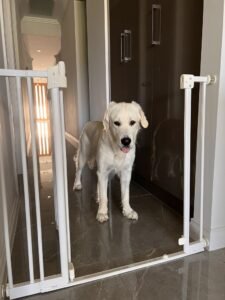
Use management while you train. A crate, pen, baby gate, or tether can help you keep the puppy close enough to notice the early signs. If the puppy has free run of the house, you will miss the tiny clues and the 2-hour plan will feel less effective than it really is.
Mistakes that make the schedule harder
Several common habits slow progress even when the owner is trying hard:
- Waiting for the puppy to “tell you” every time. Early training works better when you lead the timing.
- Letting the puppy wander unsupervised. Accidents happen fast when no one is watching.
- Turning potty trips into play sessions. That teaches the puppy that outside time is for everything except toileting.
- Changing the location each time. Repeating the same spot helps the puppy learn faster.
- Scolding after an accident. The puppy only learns that people are upset, not where to go next time.
- Cleaning too casually. If an indoor spot still smells like a bathroom, the puppy may return to it.
Accidents are part of the process. A calm cleanup and a tighter next outing usually help more than a big reaction. If you catch the puppy mid-accident, interrupt gently, take them outside, and then reward if they finish in the right place.
When to adjust the schedule
The every-2-hours plan should change based on what you see, not on a fixed rule. Use this simple decision guide:
- If the puppy has accidents between breaks: shorten the interval to 60 to 90 minutes for a few days and add more supervision.
- If the puppy stays dry for several days in a row: try stretching to 2.5 or 3 hours while keeping the same routine around meals, naps, and play.
- If the puppy is in a crate for a long stretch: do not assume the crate solves the timing problem. The puppy still needs a realistic break as soon as you can provide one.
- If the puppy is very young, very small, or newly home: every 2 hours may still be too long. Go out more often.
- If the puppy is older and consistently successful: you can gradually extend the time between routine breaks.
Think in terms of success streaks. A good streak means the puppy is staying dry, using the right spot, and showing fewer late signals. A bad streak means you are seeing more sniffing, more pacing, more missed cues, or more indoor accidents. The schedule should follow the pattern you see in the house.
Weather and household changes can also affect timing. A puppy may hold less well during a storm, a busy family evening, a visitor’s arrival, or a day with more excitement than usual. On those days, shorten the gap rather than hoping the puppy will adapt on its own.
When every 2 hours is not frequent enough
Some puppies need a tighter plan than this. That is especially true for very young puppies, toy breeds, newly adopted puppies, and puppies that are still learning the connection between the potty area and the reward. If you are seeing accidents even with the 2-hour routine, do not assume the puppy is being stubborn. The gap may simply be too long for the current stage.
Signs that the schedule needs to be more frequent include repeated accidents in the same part of the house, accidents right after play, or a puppy that seems to need to go again soon after returning inside. In that case, shorten the interval and watch more closely for the early signs listed above.
When to get help
Contact a veterinarian if accidents start suddenly after the puppy had been doing well, if the puppy strains, cries, seems painful, drinks or urinates much more than usual, or shows other illness signs. A house-training setback can be behavioral, but it can also be a health issue.
Reach out to a qualified trainer if the puppy seems anxious about the potty area, refuses to go outside, or the routine has become a daily battle despite consistent timing and supervision. A second set of eyes can help you spot what you are missing at home.
The main goal is not perfect timing. It is predictable timing, quick observation, and steady repetition. If you keep the puppy on a simple routine, watch for the early signals, and adjust the interval when the puppy shows you it needs more help, the schedule becomes much easier to live with.
Bottom line: start with a potty break every 2 hours, add breaks after sleep, meals, water, and play, and shorten the gap whenever the puppy shows you the plan is still too long.

- Is It Safe to Keep Dogs at Home? A Practical Safety Guide - June 17, 2026
- Can Dogs Eat Homemade Chicken Noodle Soup? - June 13, 2026
- Why Is My Dog Getting Anxiety? Common Reasons and What to Do Next - June 11, 2026