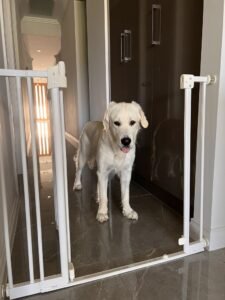
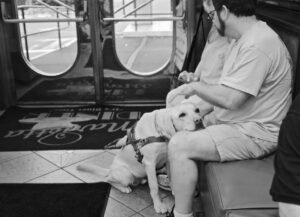
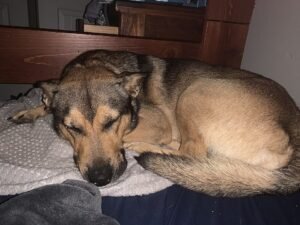
Your dog follows you into the bathroom because you are part of their social world, the room is interesting, and the routine has probably been reinforced over time. For many dogs, it is normal contact-seeking behavior, not a sign that something is wrong. The key is to look at the context: does your dog seem relaxed, curious, anxious, or unable to settle when you leave the room?
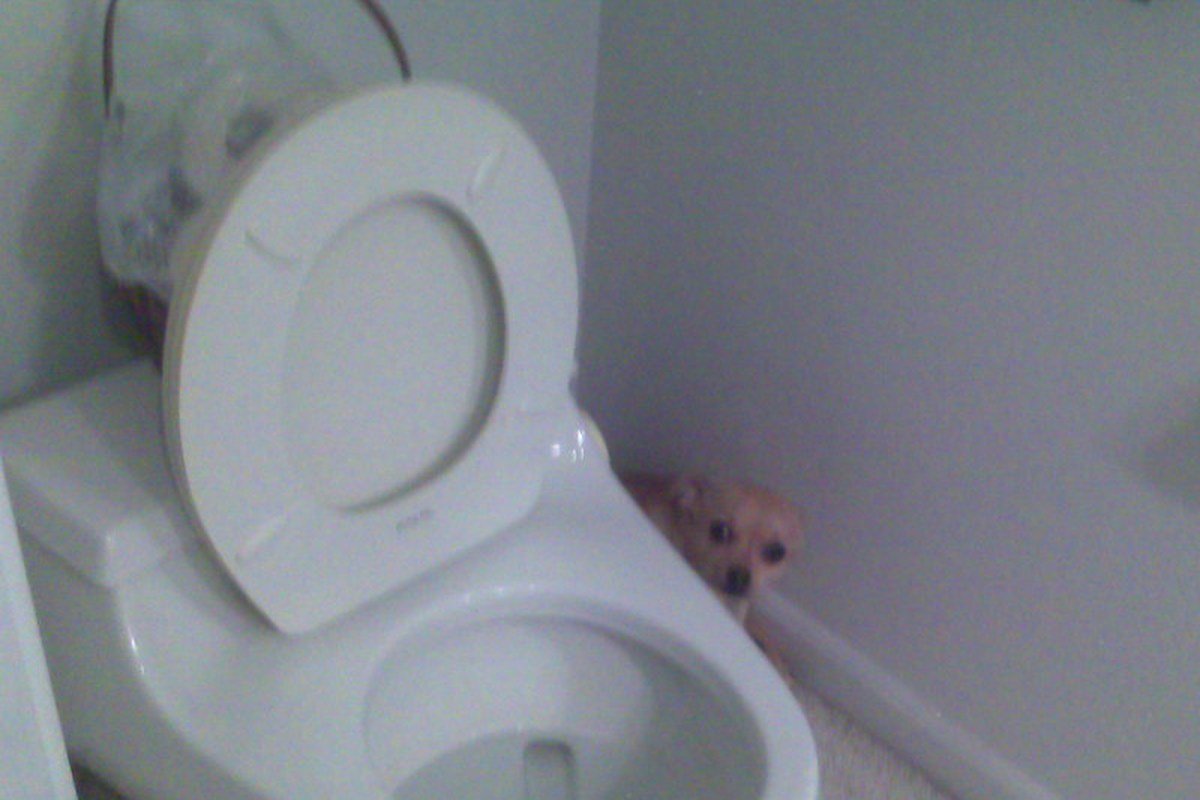
What this behavior usually means
Dogs are social animals, and many prefer to stay near their people. A bathroom trip is often just another chance to keep you in sight. Some dogs also learn that following you leads to attention, petting, or a door opening. Others are drawn by the sounds, smells, or the fact that you are behind a closed door.
In a normal household, this can look like a dog trotting after you, sitting by the tub, or lying on the bath mat while you brush your teeth. If the dog settles quickly and seems calm, the behavior is usually more about companionship than concern.
Common reasons dogs do it
- They want to stay close. Many dogs simply like being near their person.
- They have learned the pattern. If following you sometimes leads to attention, the habit can stick.
- The bathroom is interesting. Small spaces, running water, and closed doors can be worth investigating.
- They are checking on you. Some dogs are more watchful and prefer to keep track of movement in the home.
- They feel uneasy when separated. A dog that follows you everywhere, not just into the bathroom, may be showing stress around being apart.
What to observe at home
Before you decide whether to change the behavior, watch what your dog actually does. Body language matters more than the fact that they entered the room. The AKC notes that dogs communicate a lot through body language, and a wagging tail alone does not tell the whole story. Look at the full picture: posture, ears, mouth, eyes, and how quickly the dog settles.
Signs the behavior is probably normal
- Loose body, soft face, and easy breathing
- Brief interest, then lying down or wandering off
- No barking, whining, scratching, or pacing
- They can stay behind if you close the door without escalating
Signs it may be stress-related
- Whining, barking, or pawing at the door
- Pacing or inability to settle nearby
- Whale eye, tucked tail, lip-licking, yawning, or panting when nothing else is going on
- Following you from room to room, not just the bathroom
- Distress when you shut a door or leave their sight
Cornell’s Canine Health Center notes that anxiety in dogs is seldom a simple diagnosis and often has something behind it. That is why the pattern matters more than the bathroom itself.
How to tell whether it is habit, attention, or anxiety
- Try a short test. Close the bathroom door for a minute and listen.
- Watch the response. A calm dog may wait outside or move on.
- Notice the intensity. Mild curiosity is different from repeated whining, scratching, or panic.
- Check the rest of the day. Does your dog also shadow you to the kitchen, hallway, and bedroom?
- Look for triggers. Some dogs get clingier when routines change, visitors arrive, or they have had less exercise.
If your dog only follows you into the bathroom and then relaxes, you are likely dealing with a normal attachment habit. If the behavior is part of a broader pattern of distress, it deserves more attention.
What you can do if you want more privacy
You do not need to punish a dog for following you. That usually creates confusion and can make the dog more anxious. Instead, teach a simple alternative.
- Reward a settle spot. Place a bed or mat just outside the bathroom and give quiet praise or a treat when your dog stays there.
- Practice short separations. Start with a few seconds behind a closed door, then gradually increase the time.
- Keep departures low-key. Avoid big reactions that make the bathroom routine more exciting.
- Give the dog something else to do. A chew, stuffed toy, or food puzzle can help some dogs stay occupied while you are busy.
- Be consistent. If you sometimes allow bathroom following and sometimes do not, the habit can become stronger.
For a dog that is simply curious, consistency is usually enough. For a dog that is anxious, the goal is not just privacy; it is helping the dog feel safe when you are out of reach.
When to call your vet
Contact your vet if the bathroom-following is new, sudden, or paired with other changes such as whining, pacing, destructive behavior, house soiling, or trouble settling when you leave the room. Cornell lists signs of anxiety such as destructive behavior, drooling, panting, shaking, whining, and the whites of the eyes showing. The AKC also notes that growling, barking, and other vocalizing can be signs a dog is uncomfortable or stressed, depending on context.
A vet visit is also a good idea if your dog seems generally restless, clingy in a way that is unusual for them, or unable to relax anywhere in the house. That does not mean the dog has a serious problem, but it does mean the pattern is worth checking.
The short version
Most dogs follow their people into the bathroom because they are social, curious, and used to being part of the routine. The behavior is usually harmless when the dog is calm and can settle easily. Pay attention to the whole body, not just the fact that they came through the door. If the behavior comes with stress signs or a broader pattern of clinginess, talk with your vet and start working on calmer separation at home.
Further reading
- Dog Behavior–What is Normal? | VCA Animal Hospitals
- Understanding Dog Body Language: Decipher Dogs’ Signs & Signals

- Is It Safe to Keep Dogs at Home? A Practical Safety Guide - June 17, 2026
- Can Dogs Eat Homemade Chicken Noodle Soup? - June 13, 2026
- Why Is My Dog Getting Anxiety? Common Reasons and What to Do Next - June 11, 2026