Short answer: yes, keeping a dog at home is usually safe when the dog has a secure space, basic supervision, a routine, and no signs of illness, panic, or escape risk. The answer changes when a dog is destructive, constantly distressed, or likely to get hurt while unsupervised. If the behavior is sudden, severe, escalating, tied to pain or illness, involves a child, or creates bite risk, separate the dog safely and contact a veterinarian or qualified behavior professional promptly.
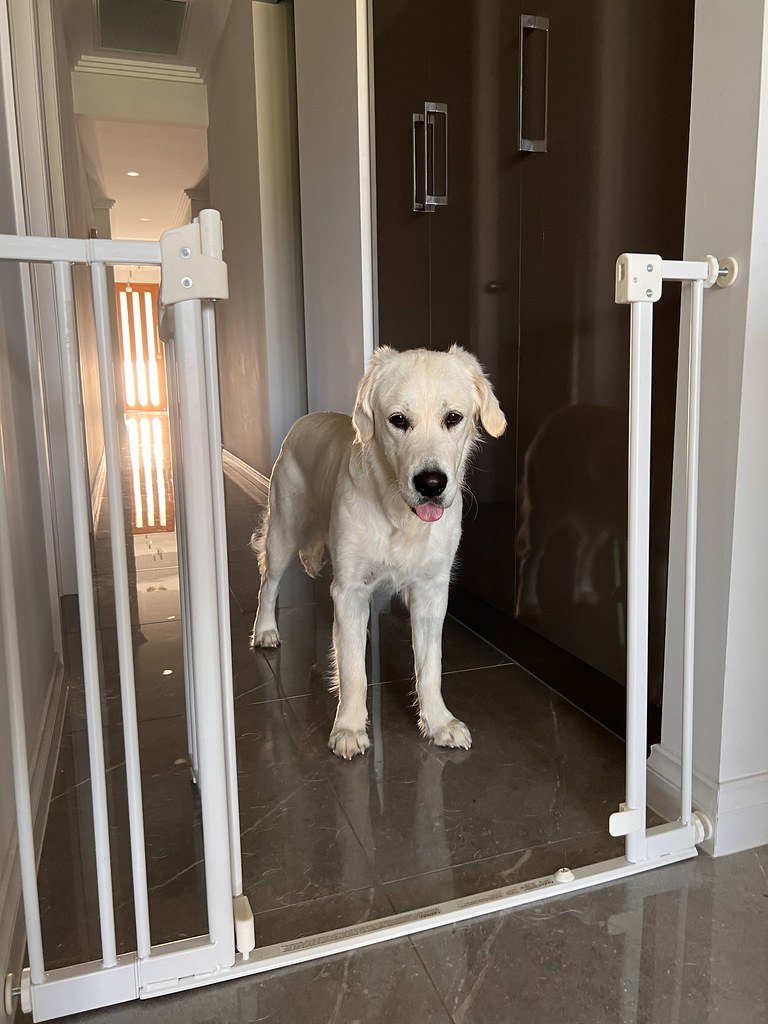
The most useful question is not just is it safe to keep dogs at home, but whether your specific dog can stay home safely today and for how long. A dog that naps on the couch, settles behind a gate, and greets you calmly is in a very different situation from a dog that panics, chews cords, scratches doors, or cannot relax when the house is empty.
What makes it safe or unsafe at home
A home is usually safe for a dog when the environment matches the dog’s age, temperament, and habits. A calm adult dog with a predictable routine may do well with a few hours alone in a dog-proofed room or crate setup. A young puppy, a newly adopted dog, or a dog with separation distress usually needs more structure and shorter absences.
Safety at home depends on a few practical things:
- Supervision level: Can someone check in, or is the dog truly alone for a stretch?
- Space: Does the dog have a safe area without cords, trash, sharp objects, toxic foods, or breakable items?
- Routine: Does the dog know when meals, walks, potty breaks, and rest time happen?
- Temperament: Does the dog settle, or does the dog escalate when left?
- Household setup: Are children, other pets, stairs, or open doors creating extra risk?
Dogs are social animals, and they need regular contact with people or other dogs. A dog can be comfortable at home and still need daily interaction, exercise, and mental activity. Home safety is not about constant company. It is about giving the dog enough structure that being home does not become stressful or dangerous.
What to observe in your dog
Before changing anything, watch what your dog actually does in the house. The details matter more than a general impression. A dog may look “fine” at first glance but still be struggling.
Signs that home time may be going well:
- settles within a reasonable time
- rests, sleeps, or chews a safe toy
- moves around normally without frantic pacing
- eats and drinks normally
- greets you without wild over-arousal
Signs that your dog may be stressed, uncomfortable, or unsafe:
- pacing back and forth
- whining, barking, howling, or repeated door scratching
- drooling, panting, trembling, or wide eyes when nothing is hot or exciting
- hiding, freezing, or refusing to move
- destructive chewing, especially on doors, crates, windows, or cords
- house soiling after being reliably trained
- trouble settling even after exercise
Some of these signs can point to anxiety, but they can also show pain, illness, or a problem with the setup. A dog that suddenly starts acting restless or clingy may be telling you something has changed physically or emotionally.
Pay attention to the timing. Does the behavior start right when you pick up your keys? Only when you leave? After a new schedule change? After a move, a new pet, or a family change? Patterns help you decide whether the issue is the environment, the routine, or something medical.
What to change first
Before assuming your dog cannot safely stay home, start with the simplest fixes. Many problems improve when the house is easier to navigate and the day is more predictable.
1. Create a safe area
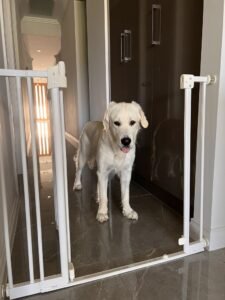
Use a baby gate, exercise pen, crate, or one dog-proofed room so your dog has a clear boundary. The goal is not punishment. The goal is to prevent access to hazards and make the space predictable. A safe area should include water, a comfortable resting spot, and a few appropriate toys if your dog uses them calmly.
For puppies, a crate or pen can help with gradual alone-time training. For adult dogs, a gated room may be better than full access to the house if the dog tends to chew, counter surf, or get into trouble when unsupervised.
2. Remove common hazards
Look at the room from the dog’s level. Anything chewable, swallowable, or knockable should be moved out of reach. That includes medication, cleaning products, chocolate, grapes, onions, xylitol-containing items, string, batteries, socks, and houseplants you have not checked for safety. Trash cans should be secured. Electrical cords should be hidden or blocked.
If your dog has ever gotten into poison, call poison control right away rather than waiting to see what happens. A quick call can save time when a dog may have eaten something dangerous.
3. Build alone time gradually
Dogs do better when being alone is practiced in small steps. Start with brief periods, then extend the time as your dog stays calm. Leave, return, and reward quiet behavior. Keep departures and arrivals low-key so the dog does not learn that every exit is a big event.
Puppies need especially careful pacing. Younger puppies cannot hold their bladder for long, and they usually need more frequent breaks than adult dogs. Very young puppies should not be expected to manage long stretches alone. As dogs mature, they can usually handle more time, but even then, long periods without a break are not ideal.
4. Keep the routine boring and steady
Many dogs relax when the day has a pattern. Feed at roughly the same times. Walk before you leave if that helps your dog settle. Give a potty break before departure and after return. Add a short training session or sniff walk earlier in the day if your dog is restless.
Small routines matter. A dog that knows what happens next often feels safer than a dog facing unpredictable noise, random visitors, and inconsistent attention.
When the situation is not safe
Some home setups are not safe enough to leave alone as-is. If you see any of the following, act quickly:
- Panic behavior: frantic barking, escape attempts, self-injury, or nonstop distress
- Destructive chewing: especially if the dog targets doors, drywall, crates, cords, or items that could cause choking or blockage
- Escape risk: door darting, fence climbing, window scratching, or repeated attempts to get out
- Conflict with children: guarding, snapping, crowding, or any situation where a child cannot be kept separate
- Conflict with other pets: bullying, guarding, chasing, or fights over space, food, or toys
- Sudden behavior change: a dog that becomes restless, withdrawn, or reactive without a clear reason
When safety is uncertain, choose the more controlled option. That may mean using a crate or pen, asking a neighbor or sitter to check in, separating pets, or keeping the dog in one protected room until you have a better plan. A temporary management step is better than hoping the dog will “work it out.”
Do not leave a dog with access to hazards just because the dog has not been injured yet. Many home accidents happen after a quiet stretch of normal behavior.
When to call your vet or a trainer
Call your veterinarian if the change in behavior is sudden, if your dog seems painful, if appetite or bathroom habits change, or if the dog cannot settle in ways that are new for them. Pain, illness, and anxiety can look similar at home, and you should not try to sort that out by guesswork.
Call a qualified trainer or behavior professional if your dog shows repeated panic when left alone, keeps destroying the home, or seems stuck in a pattern you cannot change with simple management. Separation problems often improve with a structured plan, but they usually need more than a quick fix.
If your dog has bitten, tried to bite, or created a situation where a bite could happen, separate the dog safely and get professional help promptly. That matters even if the dog seems fine at other times.
If your dog may have eaten something toxic, contact poison help immediately rather than waiting for symptoms. Some exposures are time-sensitive, and early guidance can change what you do next.
A simple decision check for today
- Is the dog calm when you are home? If no, start by watching for pain, anxiety, or overstimulation.
- Can the dog stay in one safe area without reaching hazards? If no, block access first.
- Can the dog handle short alone periods without panic or damage? If no, shorten the time and build gradually.
- Are children or other pets involved? If yes, separate and supervise more closely.
- Did the behavior change suddenly? If yes, call the vet.
For most dogs, home can be a safe place when the setup is thoughtful and the dog’s needs are met. The real test is not whether a dog lives indoors, but whether the dog can rest there without danger, distress, or avoidable risk. Start with the space, watch the behavior, and get help early when something feels off.

- Is It Safe to Keep Dogs at Home? A Practical Safety Guide - June 17, 2026
- Can Dogs Eat Homemade Chicken Noodle Soup? - June 13, 2026
- Why Is My Dog Getting Anxiety? Common Reasons and What to Do Next - June 11, 2026