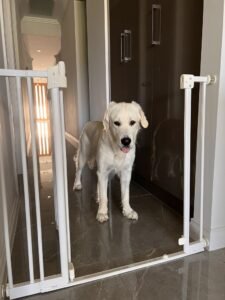
Yes, your anxiety can make your dog anxious, but not every stressed owner has a stressed dog. Dogs often notice changes in tone, posture, routine, and energy at home. That can affect how settled they feel. The important part is not to blame yourself. Start by watching what your dog actually does, then make a few calm, predictable changes. If the behavior is sudden, severe, escalating, linked with pain or illness, involves a child, or creates bite risk, separate safely and contact a veterinarian or qualified behavior professional promptly.
Short answer
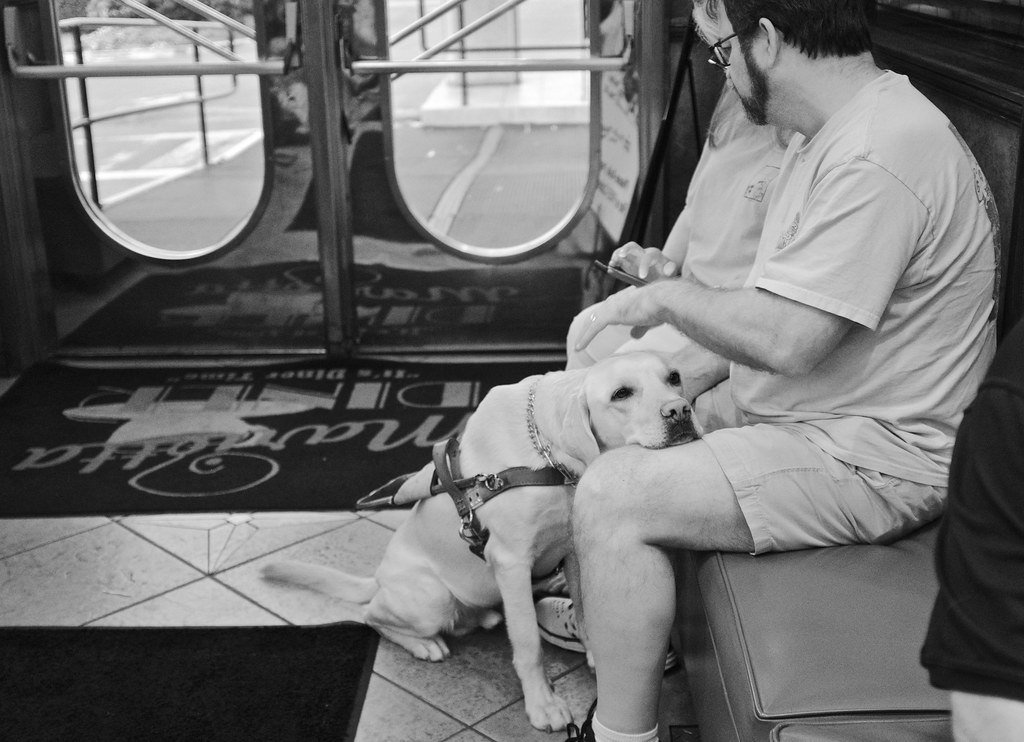
Can my anxiety make my dog anxious? Yes, it can influence your dog, especially if your stress changes the household rhythm or the way you handle everyday moments. Dogs are sensitive to human cues and to the overall feel of the home. A tense voice, rushed movements, repeated pacing, or a sudden change in routine can all matter.
That said, your dog’s behavior may have another cause. Fear, separation distress, lack of early socialization, age-related changes, or a medical issue can look like anxiety. Anxiety-like behavior is rarely simple, so it is safer to look for patterns and possible causes rather than assuming one explanation fits every dog.
What to do today:
- Watch your dog for a day or two without trying to “fix” everything at once.
- Notice when the behavior happens, not just what it looks like.
- Keep your voice, movements, and departures as steady as you can.
- If the change was sudden or your dog seems unwell, call your vet.
What it usually means
Dogs do not read your thoughts, but they do read patterns. They notice whether the house feels predictable or unsettled. A dog may react to a person who is moving quickly, speaking sharply, crying often, or changing routines from one day to the next. In many homes, the dog is responding to the whole situation, not to anxiety in a single person alone.
That is why the answer is usually “possibly, yes” rather than “always.” A dog may seem more alert when an owner is stressed, then settle once the household becomes calmer. Another dog may show no change at all. Some dogs are naturally more sensitive. Others are buffered by routine, exercise, and a stable environment.
Common home examples include:
- You pace around the kitchen while on the phone, and your dog starts following you room to room.
- You leave the house in a hurry, and your dog begins whining at the door.
- You tense up during visitors, and your dog starts barking earlier than usual.
- The household schedule has become irregular, and your dog seems restless at the usual walk or bedtime.
Those examples do not prove cause and effect by themselves. They simply show where to look first.
What to observe at home
Before you assume your emotions are the reason, look for concrete signs in your dog. Common stress signs can include drooling, ears pulled back, excessive barking, lip licking, panting, shaking, whining, showing the whites of the eyes, destructive behavior, lunging, or trouble settling.
Watch for these patterns:
- Body language changes: tucked tail, stiff posture, ears pinned back, wide eyes, repeated lip licking, yawning when not tired.
- Noise or motion sensitivity: reacting to your footsteps, a raised voice, a slammed cabinet, or the sound of keys.
- Clinginess or avoidance: shadowing you from room to room, or choosing to hide under furniture.
- Routine-related stress: pacing before walks, whining near your departure time, or becoming unsettled at bedtime.
- Destructive or disruptive behavior: chewing doors, scratching exits, barking more than usual, or house soiling when alone.
Also check the household itself. Has the schedule changed? Are walks shorter? Is the home louder than usual? Are there more visitors, less sleep, or more time alone? Sometimes the dog is reacting to a cluster of small changes rather than one obvious event.
One useful question is: Does the behavior happen only around me, or does it happen in other settings too? If your dog also seems fearful on walks, at the vet, around strangers, or during storms, the issue may be broader than your mood at home.
What to do next
Start with the simplest changes that make the home feel more predictable. Dogs usually do better when the day has a clear shape. That does not mean a rigid schedule. It means enough consistency that your dog can anticipate meals, walks, rest, and quiet time.
1. Lower the emotional volume around your dog
Try to keep your voice even, your movements slower, and your handling straightforward. If you are upset, step into another room for a minute if your dog is safe. A brief pause can keep your stress from spilling into the interaction.
2. Keep routines steady
Feed, walk, and rest your dog at roughly the same times when you can. Predictability helps many dogs feel safer. If your own schedule is unstable, build a few anchors into the day: a morning potty break, a midday sniff walk, and a quiet evening settle time.
3. Make departures and arrivals low-key
Many dogs react to the moment their person grabs keys, changes shoes, or heads for the door. Practice calm, ordinary exits. Leave without a long speech. Return without a big greeting. This can reduce the emotional spike around comings and goings.
4. Give your dog a place to settle
Set up a bed, mat, crate, or quiet corner where your dog can rest away from traffic. Add a chew, stuffed food toy, or blanket if your dog likes those things. The goal is not isolation. The goal is a predictable place to decompress.
5. Track triggers for a week
Write down when your dog seems uneasy, what was happening just before it started, and what helped. Look for patterns such as:
- time of day
- specific rooms
- visitor arrivals
- your own stress level
- noise, weather, or being left alone
A simple log can separate coincidence from a real pattern.
6. Avoid accidental reinforcement of fear
Comforting a scared dog is not the problem. The issue is when the response becomes frantic or inconsistent. If your dog is worried, stay calm, keep the situation manageable, and do not force interaction. If your dog wants space, give it.
For dogs that seem sensitive to a specific trigger, gradual counterconditioning and desensitization can help, but those steps are easier to do well with a qualified trainer or behavior professional.
When it is probably not just your anxiety
Sometimes a dog’s behavior looks emotional, but the real issue is physical discomfort or another behavior problem. Anxiety-like behavior can have underlying causes, which is why sudden changes deserve attention.
Consider another cause if your dog:
- starts acting differently without a clear household change
- seems restless, withdrawn, or irritable after exercise or play
- shows new house soiling, pacing, or vocalizing
- reacts to being touched, picked up, or moved
- seems older and more confused than before
Pain, illness, hearing or vision changes, and cognitive decline can all affect behavior. A dog that seems “anxious” may actually be uncomfortable, disoriented, or both.
When to get help
Call your veterinarian if the behavior is new, worsening, or paired with changes in appetite, sleep, mobility, bathroom habits, or energy. A vet visit is also a good next step if your dog’s stress seems tied to aging, sudden fear, or a possible medical issue.
Contact a qualified trainer or behavior professional if your dog is becoming harder to manage, if the anxiety is tied to separation, visitors, or specific triggers, or if you are worried the behavior could lead to a bite. Do not try to push through fear by flooding your dog with the trigger. That can make things worse.
Get prompt help if there is any risk to a child, another pet, or a visitor. Separate safely, reduce exposure, and ask for professional guidance before the pattern gets stronger.
Bottom line
Your anxiety can affect your dog, but it is only one piece of the picture. The most useful approach is to watch your dog’s body language, look for patterns in the household, and make the day more predictable. If the behavior is sudden, severe, or tied to pain or illness, treat it as a vet question first. If it seems behavioral and is getting worse, bring in a qualified trainer or behavior professional early.
The goal is not to be perfectly calm. The goal is to make the home easier for your dog to read.

- Is It Safe to Keep Dogs at Home? A Practical Safety Guide - June 17, 2026
- Can Dogs Eat Homemade Chicken Noodle Soup? - June 13, 2026
- Why Is My Dog Getting Anxiety? Common Reasons and What to Do Next - June 11, 2026