Short answer
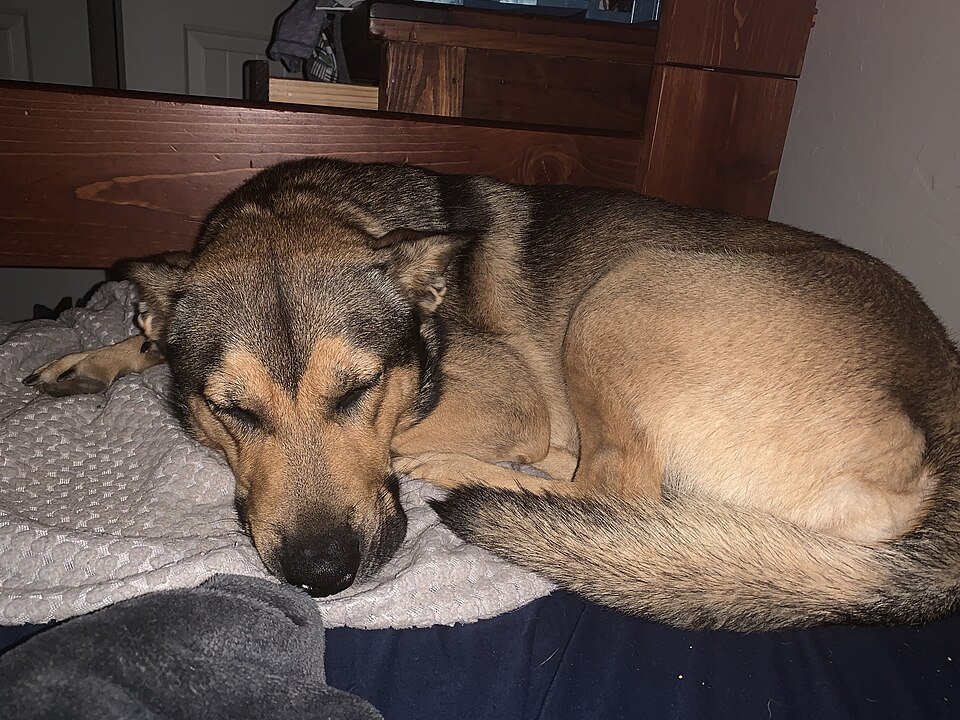
Why does my dog want to sleep with me? Most of the time, the answer is simple: your dog feels safe, comfortable, and used to being near you. Sleeping close can be about warmth, routine, bonding, or habit. It can also be a sign that your dog wants reassurance, especially if the behavior is new or comes with pacing, whining, or trouble settling.
That said, a sudden change matters. If your dog starts sleeping with you after acting restless, painful, scared, or unusually clingy, separate safely and contact a veterinarian or qualified behavior professional promptly. The same goes for any situation that creates bite risk, involves a child, or feels like it is escalating.
What to do today: if the behavior is normal and welcome, keep the routine. If you want more space, set a clear sleeping spot and reward your dog for using it. If the change is sudden or your dog seems uncomfortable, treat it as a clue rather than a quirk.
What it usually means
Most dogs do not choose a bedmate by accident. They repeat what feels good and predictable. Your bed may be the warmest place in the room, the quietest place in the house, or simply the place where your dog has learned that nothing bad happens.
Common reasons include:
- Comfort and warmth. Dogs often like a soft, steady surface and the extra warmth of a person nearby.
- Routine. If your dog has slept near you for months or years, the pattern can become part of the bedtime ritual.
- Bonding. Many dogs settle more easily when they can keep track of their person.
- Security. Some dogs rest better when they can hear breathing, movement, or the sounds of the household.
- Habit. What started as a puppy behavior can turn into an adult preference.
None of those reasons are automatically a problem. In many homes, a dog sleeping with a person is just a normal part of the household rhythm.
It helps to remember that dogs communicate a lot through body language, not just through obvious actions. A relaxed dog is usually loose in posture, easy to interrupt, and able to settle without fuss. A stressed dog may show signs such as lip licking, yawning, tucked ears or tail, looking away, whining, or panting in a way that does not fit the room temperature or activity level. The American Kennel Club notes that dogs use body language to communicate discomfort, and Cornell points out that anxiety can show up in many everyday behaviors, not just obvious panic. AKC: How to Tell If Your Dog Is Stressed and Cornell: Anxious behavior in dogs
What to observe
The easiest way to tell whether this is a simple preference or something more is to watch what happens before, during, and after bedtime.
Signs it is probably normal
- Your dog settles quickly once the lights go out.
- The body looks loose, not stiff.
- Your dog can sleep in another spot if needed without becoming upset.
- The behavior has been consistent for a long time.
- Your dog is otherwise eating, playing, and moving normally.
Example: your dog hops onto the bed, circles once, lies down against your legs, sighs, and stays there until morning. That is usually just a dog who likes the arrangement.
Signs it may be stress, discomfort, or a training issue
- Your dog follows you from room to room and cannot relax unless you are in sight.
- Bedtime comes with whining, pacing, scratching, or repeated getting on and off the bed.
- Your dog seems jumpy, startles easily, or keeps checking the room.
- There is growling, guarding, or tension when you move in bed or try to shift the dog.
- The behavior started suddenly.
- Your dog is older and now struggles to jump up, climb down, or settle comfortably.
Example: a dog that used to sleep on the rug but now insists on climbing into bed, pants for a while, and keeps repositioning may not just be being affectionate. Something in the environment, routine, or body may be bothering them.
Also pay attention to the rest of the day. A dog that wants to sleep with you because of habit is usually fine during daylight hours. A dog that seems glued to you all day, panics when you leave the room, or cannot relax alone may be showing separation-related stress rather than simple preference.
What to do next
Once you have a sense of the pattern, decide whether you want to keep the arrangement or change it. Either choice can work if you are consistent.
If you are fine with your dog sleeping with you
- Keep the bedtime routine steady.
- Make sure your dog has enough space to turn around and stretch out.
- Watch for snoring, coughing, limping, or restless shifting that could suggest discomfort.
- If your dog is small or elderly, make sure getting on and off the bed is safe.
Some dogs do best with a predictable cue, like a bedtime walk, a final potty break, and then lights out. That kind of routine can make the whole household calmer.
If you want more space in bed
You do not need to make a big scene out of it. Dogs learn best from clear patterns, not from mixed messages.
- Pick a separate sleeping spot that is comfortable and close enough for your dog to feel included.
- Use the same cue every night.
- Reward your dog for going to the chosen bed or mat.
- Do not keep inviting the dog up and then pushing them off repeatedly.
- If your dog protests, stay calm and consistent instead of negotiating at midnight.
A lot of owners accidentally train bed-sharing by allowing it sometimes and blocking it other times. If the rule changes every night, the dog has no reason to understand what is expected.
If the behavior seems clingy or anxious
Start by making the day more predictable. Cornell notes that consistency and predictability can help a nervous dog cope better. That may mean fixed meal times, regular walks, a quiet sleeping area, and fewer sudden changes around bedtime. If your dog cannot settle without constant contact, a trainer or behavior professional can help you work on independence in a gradual way.
When to get help
Call your veterinarian or a qualified behavior professional if any of these apply:
- The change happened quickly and does not make sense in context.
- Your dog seems painful, stiff, or reluctant to jump, climb, or lie down.
- Bedtime includes whining, panting, pacing, or repeated repositioning.
- Your dog growls, snaps, or guards the bed.
- Your dog seems unable to relax unless touching you.
- The behavior is disrupting sleep for you or the dog.
Do not try to force a dog through a tense situation in bed. If your dog is showing stress signals, give space and lower the pressure. The AKC notes that growling is often a warning that a dog is uncomfortable, not something to punish. That matters at bedtime too, because a dog that feels trapped may escalate.
If you are unsure whether you are seeing affection, anxiety, or discomfort, look at the whole picture. One sign by itself is rarely enough. A relaxed dog that chooses your bed is different from a dog that cannot settle anywhere else, seems on edge, or suddenly changes sleep habits.
Bottom line
Most of the time, a dog that wants to sleep with you is simply doing what feels safe and familiar. That is normal. The main job for an owner is to notice when the pattern changes. If your dog is calm, loose, and consistent, you probably have a bedtime habit. If your dog is restless, tense, painful, or suddenly more attached, treat it as information and get help sooner rather than later.
Sources used: AKC: How to Tell If Your Dog Is Stressed · Cornell: Anxious behavior in dogs

- Is It Safe to Keep Dogs at Home? A Practical Safety Guide - June 17, 2026
- Can Dogs Eat Homemade Chicken Noodle Soup? - June 13, 2026
- Why Is My Dog Getting Anxiety? Common Reasons and What to Do Next - June 11, 2026