Post-walk zoomies are usually a release of excitement, stress, or leftover energy once the leash comes off. In most cases, they are normal. The important part is reading the whole picture: how hard your dog is running, what their body looks like, and whether the behavior settles quickly or seems frantic.
What zoomies after a walk usually mean
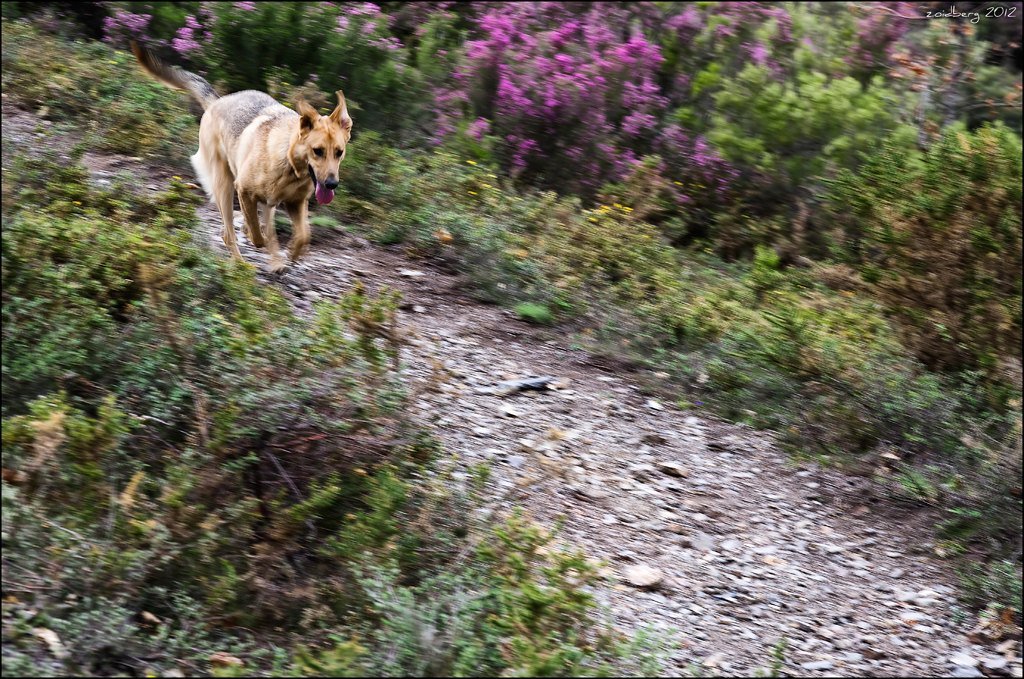
Zoomies, also called frenetic random activity periods, are those sudden bursts of running, turning, spinning, or bouncing that seem to come out of nowhere. After a walk, they often happen because the walk was stimulating but not fully satisfying in the way your dog expected. That can be physical, mental, or emotional.
A dog may come home from a walk and then sprint down the hall, skid across the rug, or race laps around the yard. That does not automatically mean the walk “failed.” It often means your dog is still carrying arousal and needs a way to discharge it.
Common reasons dogs get zoomies after a walk
1. They are excited and overstimulated
Walks are full of smells, movement, sounds, and quick decisions. Even a calm neighborhood stroll can leave a dog highly aroused. A wagging tail alone does not tell you whether that arousal is happy or tense; body language matters more than the tail by itself. The AKC notes that a wagging tail can reflect emotional arousal, and the speed, direction, and posture around it help show whether the dog is relaxed or keyed up.
2. They still have energy left
Some dogs need more than a bathroom walk. A short leash walk may meet part of their exercise need, but not all of it. When they get home, they may use zoomies as a quick outlet for the energy that was not spent on the walk.
This is common in young dogs, high-drive breeds, and dogs that spent most of the walk sniffing rather than moving at a steady pace.
3. The walk was mentally tiring, and they are decompressing
Sniffing, seeing other dogs, hearing traffic, and staying on leash all require self-control. Some dogs hold it together during the walk and then let go when they get home. In that case, the zoomies can be a release rather than a problem.
4. They are reacting to a change in routine
Some dogs get zoomies at the exact moment the leash comes off, the harness is removed, or the front door closes behind them. The trigger is not the walk itself so much as the transition from “contained and focused” to “free.”
What to observe at home before you worry
Before you decide the behavior is a concern, watch for these details:
- Duration: Does it last 30 seconds, or does it go on and on?
- Body posture: Is your dog loose and bouncy, or stiff and frantic?
- Recovery: Do they settle after a few laps, or stay unable to relax?
- Trigger: Does it happen after every walk, only after long walks, or only after stressful ones?
- Context: Did they meet another dog, hear fireworks, or get pulled around by the leash?
A dog that runs a few circles, flops down, and then drinks water is usually showing normal post-walk release. A dog that seems panicked, cannot stop, or crashes into furniture is a different situation.
How to tell normal zoomies from a possible problem
Use this simple check:
- Is my dog responsive? If you call their name, do they notice you?
- Do they look loose? Soft face, loose muscles, and bouncy movement are more reassuring than rigid running.
- Do they settle? Normal zoomies usually fade on their own.
- Is there a pattern? If it only happens after exciting walks, that points toward arousal, not illness.
- Is anything else off? Limping, coughing, panting that seems excessive, or trouble calming down changes the picture.
Use the same pattern check for other odd-but-normal dog behaviors: what happened right before it, whether your dog looks loose or tense, and how quickly they return to baseline.
What you can do if the zoomies are too intense
If your dog’s post-walk zoomies are normal but inconvenient, try making the transition home calmer:
- Give a few minutes of quiet time before opening the back door or unclipping the leash.
- Offer water, then let your dog settle in one room instead of racing through the whole house.
- Use a short sniffing walk instead of a long, overstimulating one if your dog comes home amped up.
- Add a small training session, puzzle feeder, or sniff game so your dog uses their brain as well as their legs.
- Keep the end of the walk predictable so your dog is not surprised by sudden freedom.
For some dogs, a longer walk is not the answer. A calmer walk with more sniffing, fewer interruptions, and a slower return home works better.
When to call your vet
Call your vet if the zoomies are new, extreme, or paired with other changes such as limping, pain, coughing, wobbliness, collapse, heavy panting that does not ease, or behavior that seems frantic rather than playful. Also check in if your dog seems unable to settle after walks that used to be easy. That can point to discomfort, stress, or another issue that needs attention.
The bottom line
Most of the time, post-walk zoomies are a normal release of excitement or leftover energy. The key is not the running itself, but how your dog looks while doing it and how quickly they return to baseline. If the behavior is brief, loose, and predictable, it is usually just your dog decompressing after the walk.
If it is intense, new, or paired with pain or trouble settling, talk with your vet.
Further reading
- AKC: how to read dog body language
- AKC: how to tell if your dog is stressed
- VCA Animal Hospitals: dog behavior and normal patterns

- Is It Safe to Keep Dogs at Home? A Practical Safety Guide - June 17, 2026
- Can Dogs Eat Homemade Chicken Noodle Soup? - June 13, 2026
- Why Is My Dog Getting Anxiety? Common Reasons and What to Do Next - June 11, 2026